
Cultural tourism has become one of the most meaningful ways to travel. Instead of rushing between landmark photo stops, growing numbers of travelers seek genuine encounters with local traditions, crafts, food, festivals, and daily life. In 2026, this shift is clear: people want participation over observation and connection over consumption. When approached thoughtfully, cultural tourism benefits both visitors and host communities by supporting livelihoods and helping keep living traditions alive.
What Cultural Tourism Really Means
At its heart, cultural tourism involves experiencing the distinctive ways of life, heritage, and creative expressions of a place. This can include learning a traditional craft from an artisan, cooking a regional dish with a local family, joining a community festival, walking with a resident guide who shares stories of the land, or staying in a village where daily rhythms remain closely tied to culture and environment.
The emphasis has moved toward experiential and community-based approaches. Travelers increasingly look for opportunities to engage directly rather than view culture from a distance. Heritage walks, culinary trails, workshop visits, and Indigenous-led experiences are among the formats that deliver this deeper engagement. Surveys and booking trends show strong interest in heritage, festivals, food, and authentic village stays over purely commercial attractions.
Ways to Experience Local Traditions Authentically
One of the most rewarding paths is learning a traditional skill. In many regions, visitors can sit with weavers, potters, metalworkers, or textile artists and try the techniques themselves. These sessions often reveal the time, knowledge, and cultural meaning embedded in everyday objects. Supporting cooperatives or family workshops ensures that income reaches the people who maintain the craft.
Food offers another powerful entry point. Cooking classes or shared meals with local families introduce regional ingredients, techniques, and the social role of hospitality. Markets, small eateries away from main tourist streets, and farm or fishing experiences further ground the traveler in place.
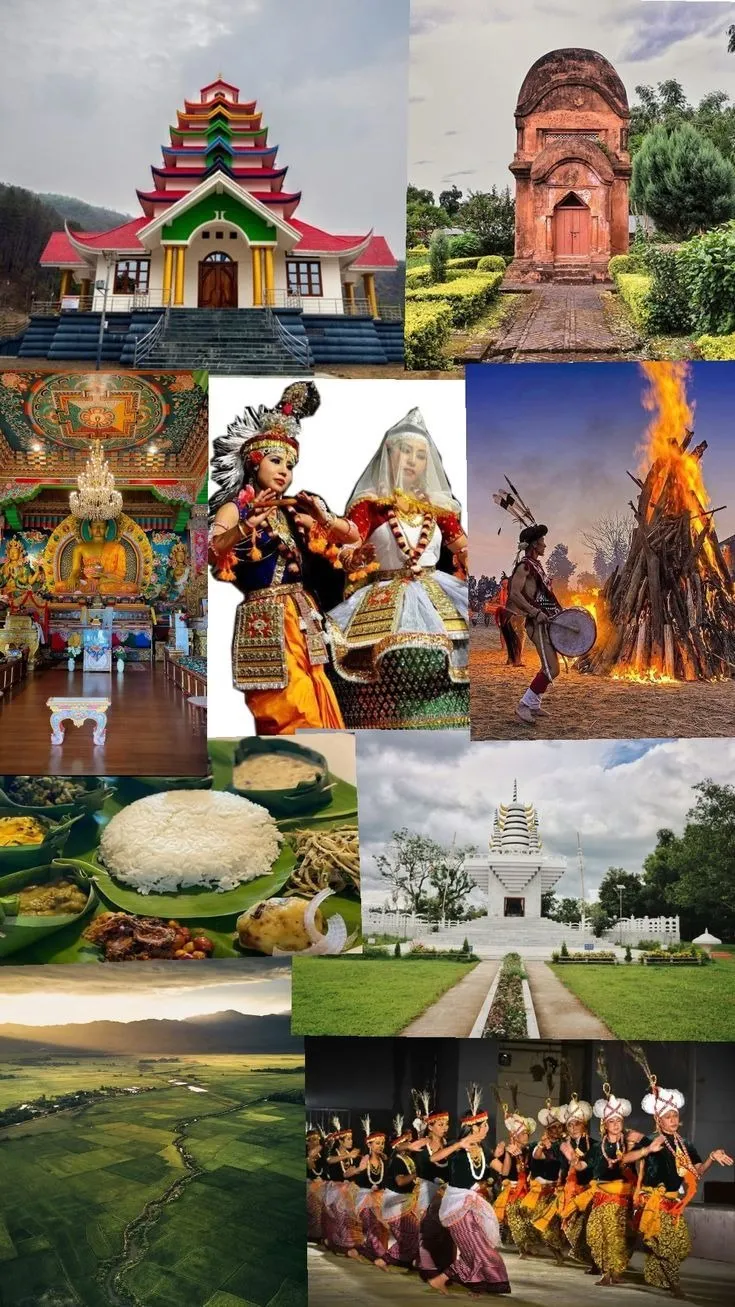
Festivals and seasonal celebrations provide living windows into community life. Joining dances, processions, or ritual events—when invited and guided appropriately—allows visitors to feel the energy of collective tradition rather than simply watching from the sidelines. Many destinations now promote festival-based travel as a way to experience culture at its most vibrant.
Guided experiences led by community members or cultural ambassadors add context that guidebooks cannot supply. Indigenous-led tours, for example, often share place-based stories, ecological knowledge, and histories that have been passed down through generations. Homestays or community lodges extend this immersion by allowing travelers to share daily routines, meals, and conversations.
Supporting Communities Through Responsible Choices
Authentic experiences are most sustainable when they deliver clear benefits to local people. Choosing community-owned or Indigenous-operated enterprises, certified artisan cooperatives, and locally guided activities helps keep revenue in the destination. Booking directly or through operators that prioritize fair partnerships strengthens this impact.
Respect is fundamental. This includes asking permission before photographing people, ceremonies, or sacred sites; dressing appropriately; following local customs; and accepting when certain knowledge or spaces remain private. Learning a few words of the local language signals goodwill and opens doors to warmer interactions. Purchasing authentic crafts directly from makers, rather than mass-produced souvenirs, supports cultural continuity and fair income.
Travelers should also consider scale and timing. Smaller group sizes, longer stays in one place, and visits outside peak periods reduce pressure on communities and resources. Slow travel principles—spending more time in fewer locations—naturally support deeper cultural engagement.
Benefits for Travelers and Hosts
For visitors, cultural tourism creates lasting memories and a richer understanding of the world. Participating in a craft, sharing a meal, or hearing stories from elders often leaves a stronger impression than conventional sightseeing. It fosters empathy, curiosity, and a sense of connection across cultures.
For host communities, well-managed cultural tourism can generate income that helps sustain traditions, languages, and skills that might otherwise fade. Revenue supports artisans, guides, cooks, and cultural educators. In some places, tourism funds language programs, cultural centers, or the maintenance of heritage sites. When communities retain control over how their culture is shared, tourism becomes a tool for empowerment rather than extraction.
Practical Approaches for Meaningful Travel
Successful cultural experiences begin with research. Look for operators and accommodations that demonstrate genuine community partnerships rather than superficial marketing. Read recent traveler accounts that mention local ownership and respectful practices. Once on the ground, remain flexible and open to invitations that arise naturally.
Balance structured activities with unstructured time. Wandering residential neighborhoods, visiting local markets, or simply sitting in a public square often yields unexpected insights. Combine these moments with intentional learning opportunities such as workshops or guided cultural walks.
Finally, carry the experience forward. Sharing accurate stories, recommending community-based operators, and reflecting on what was learned helps extend the positive effects of the journey.
Cultural tourism at its best is a form of exchange. Travelers gain insight, beauty, and human connection. Host communities gain economic support and recognition for the value of their living heritage. When approached with curiosity, humility, and respect, it becomes one of the most rewarding ways to explore the world—and one of the most constructive ways for travel to contribute to the places it touches.
Read more – gloryhouseworld.com