

Food culture in 2026 reflects a blend of comfort, global curiosity and health-conscious choices. Across markets, everyday staples such as salads and soups remain highly discussed, while adventurous eaters seek bold flavors, shareable experiences and dishes that connect them to different culinary traditions. From festive seafood spreads to Korean street-food favorites and elevated versions of familiar plates, the dishes people want to try this year balance novelty with approachability.
Everyday Favorites That Continue to Dominate
Salad and soup stand out as consistently popular across multiple regions. Salads frequently rank among the top dishes in places such as the UK, France, Italy and parts of Latin America, valued for freshness, customization and lighter eating. Soups lead conversations in markets including the United States, Canada and Australia, offering comfort and versatility in both classic and creative forms.
Noodles, curry and shrimp also appear regularly in top rankings. These items translate well across cultures and adapt easily to home cooking or restaurant menus. Rice remains a foundational staple for a large portion of the world’s population, though specific rice-based dishes such as biryani or regional specialties gain attention mainly within their home regions or among curious global diners.
Shareable and Celebratory Dishes
Seafood boils have gained strong momentum as a social, hands-on meal. These large, communal spreads of shellfish and seasonings turn dining into an event, appealing to groups who want interactive and festive experiences at home or in restaurants. The format supports bold seasoning and shared enjoyment, aligning with a broader preference for memorable, less formal gatherings.
Other shareable formats, including elevated versions of familiar items, continue to attract interest. Smashed burgers, with their crispy edges and juicy centers, appear on trend lists for restaurant menus, while elevated instant-style or custom noodles offer complex flavors in an accessible package.
Global Flavors and Regional Discoveries
Korean cuisine maintains significant influence. Dishes such as tteokbokki, the chewy rice-cake street-food classic, and spicy preparations linked to gochujang and buldak-style heat continue to expand beyond their origins. Interest in broader Korean flavors supports both restaurant offerings and home experimentation.
Mexican cuisine shows robust growth in searches and menu presence. Dishes and flavor profiles inspired by Mexican traditions, including elements of birria and other regional specialties, appeal to diners seeking bold, satisfying options. Latin American influences more broadly, including Peruvian and Colombian notes, are gaining visibility through social media, travel interest and younger consumers’ curiosity.
Middle Eastern and Eastern Mediterranean flavors also resonate, particularly those that align with plant-forward and protein-rich eating. Ingredients and preparations involving tahini, harissa, grains, pickled vegetables and grilled or spiced proteins move easily between meals and snacks. African culinary traditions, including West African and other regional styles, are entering more mainstream conversations, while Caribbean curry bowls appear on lists of dishes restaurants are highlighting for their aromatic spice profiles.
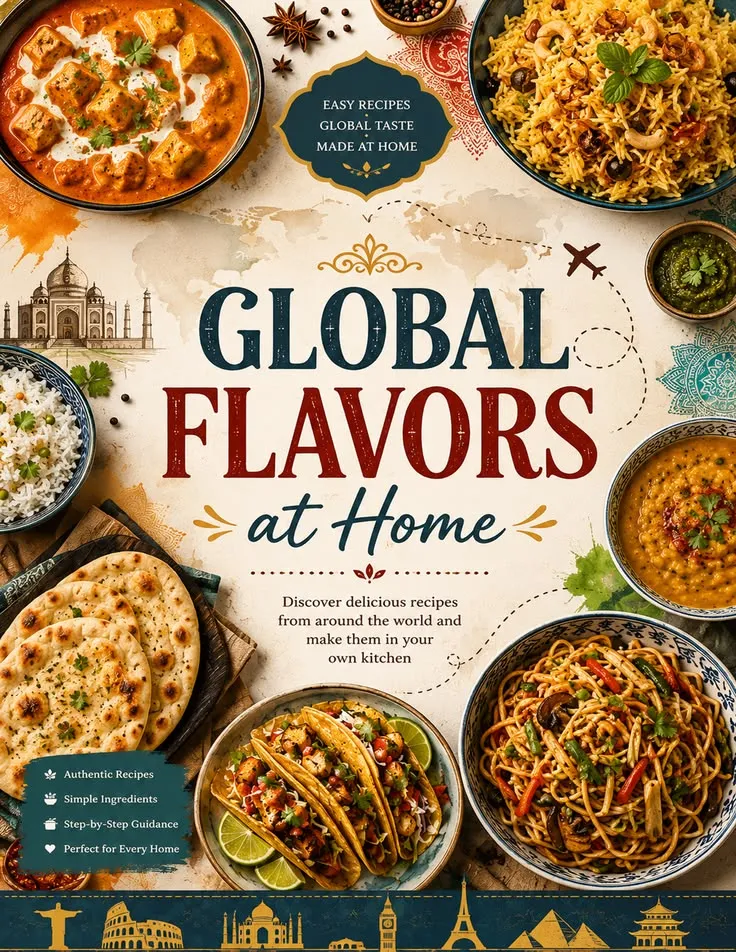
Flavor Combinations and Ingredient Trends
Complex layered tastes are in demand. Sweet-and-spicy profiles are evolving into more nuanced combinations that incorporate tang or savory depth. Tropical fruits, dark berries such as black currant, and other globally inspired ingredients add brightness and interest while often carrying a health-conscious appeal. Fermented elements and umami-rich preparations, including those using miso, continue to deepen flavor without relying solely on heaviness.
Ube, the purple yam, remains visible in desserts, drinks and baked goods. Protein-focused and fiber-rich options reflect ongoing interest in functional nutrition, influencing both snacks and main dishes. Air-fryer recipes sustain high engagement as home cooks seek convenient methods for achieving satisfying textures.
What Diners Want to Experience
Restaurant menus in 2026 respond to the desire for global transport through food. Caribbean curry bowls, miso-glazed proteins and creative noodle dishes offer distinctive yet approachable experiences. At the same time, nostalgic and comforting formats receive modern twists that keep them relevant.
Home cooks show interest in Mediterranean-inspired eating patterns, seafood boils for gatherings, and specific global recipes that can be adapted to everyday kitchens. The overall landscape favors dishes that deliver either reliable comfort or a sense of discovery, often with an emphasis on quality ingredients and balanced flavors.
Looking Across the Plate in 2026
The most sought-after dishes of the year range from simple salads and restorative soups to communal seafood feasts, spicy Korean favorites, vibrant Latin and Caribbean preparations, and thoughtfully elevated classics. Global influences continue to expand the everyday repertoire, while health considerations and social dining shape how people choose and share food.
Whether exploring a new regional specialty, gathering around a shared boil or refining a familiar bowl, diners in 2026 have abundant opportunities to try dishes that satisfy both curiosity and appetite. The trends point toward food that connects people—to cultures, to one another and to the pleasure of eating well.
Read more – wishdua.com